


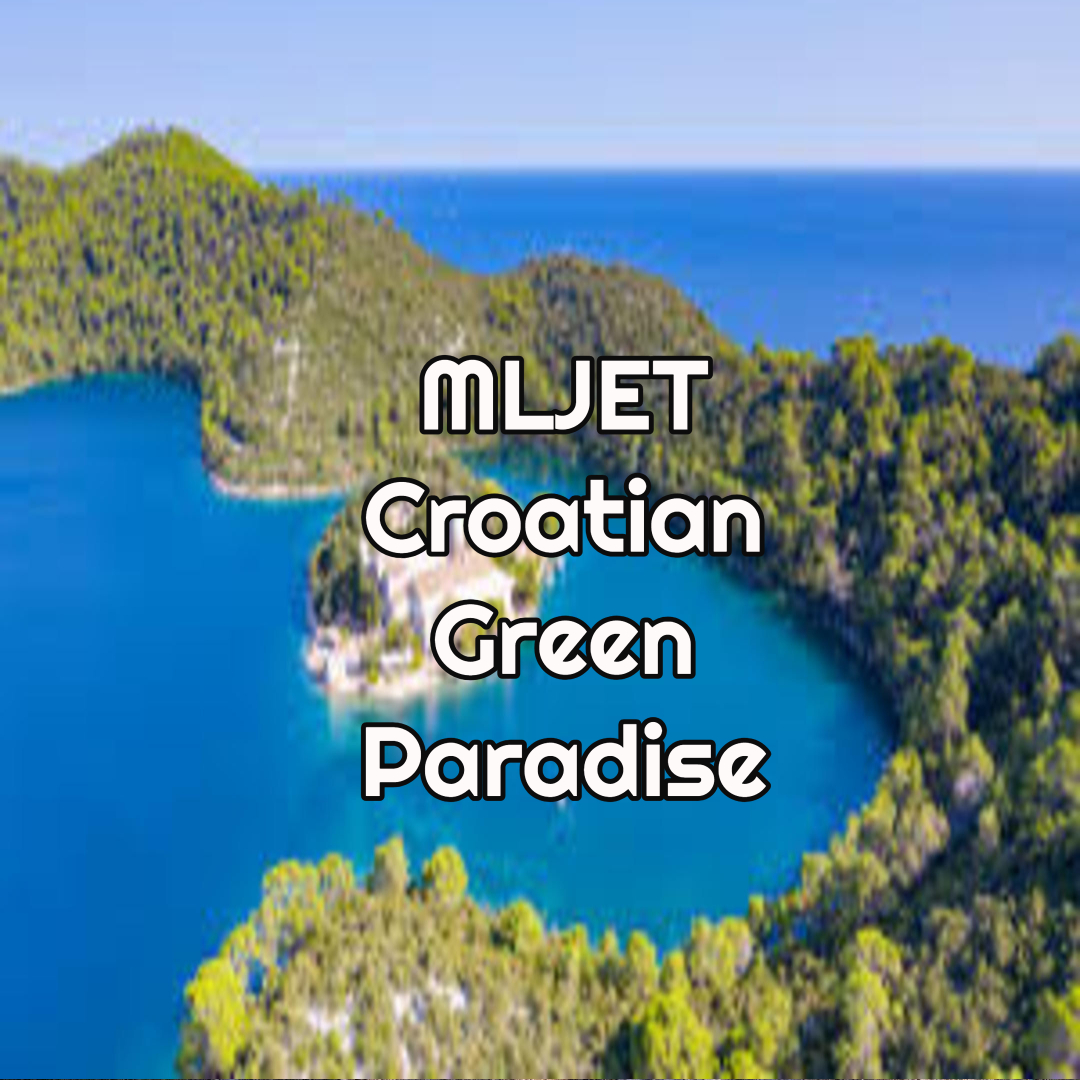
Mljet: Croatian Green Paradise
Mljet is one of the most magical and untouched islands in the Adriatic Sea. Located in southern Croatia, west of Dubrovnik and north of the Pelješac peninsula, Mljet is often called the “green island” due to its lush Mediterranean forests, crystal clear sea and peaceful atmosphere. Much of its western part is protected as the Mljet National Park, making it a haven for nature lovers, hikers and those seeking peace and quiet away from the crowds.
Nature and landscape
Mljet is about 37 kilometers long and only a few kilometers wide, mostly covered in dense pine forests that reach all the way to the turquoise sea. Its landscapes are a mix of rocky shores, sandy coves, saltwater lakes and small vineyards and olive groves.
The island’s most famous natural attractions are the two salt lakes – Veliko jezero and Malo jezero – at the heart of the Mljet National Park. These lakes are connected to the sea by a narrow channel, and their calm, warm water is ideal for swimming and kayaking. In the middle of the Great Lake is a small island with a 12th-century Benedictine monastery, one of the most photographed sights on Mljet.
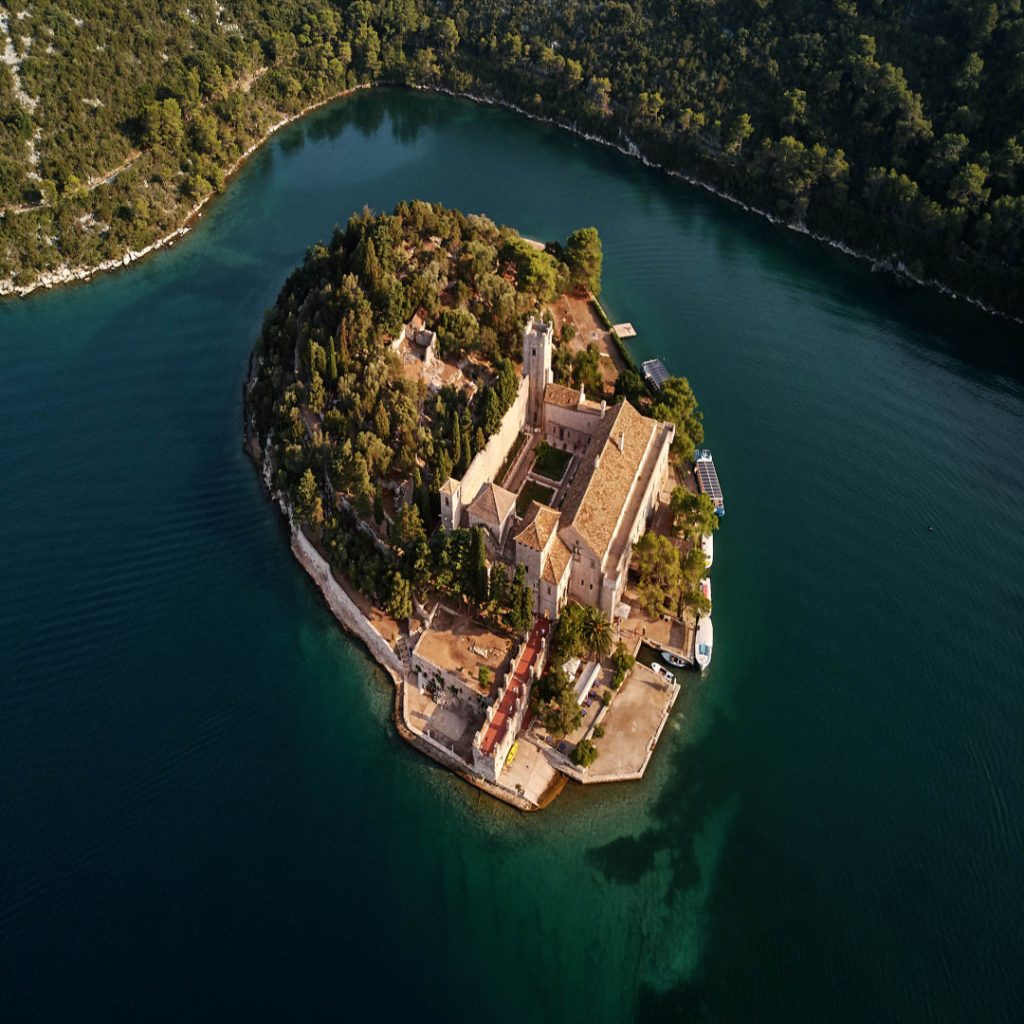
Mljet, St. Mary, Wikimedia Commons
Mljet National Park
Established in 1960, Mljet National Park covers about a third of the island. It is a protected area known for its peace, hiking and cycling trails, and diverse wildlife. Visitors can explore:
- The lakes by kayak, canoe, or electric boat
- The monastery on the island of St. Mary
- Scenic hiking and cycling routes through pine forests and around the lake
- Small coves perfect for swimming in the emerald green water
- Park entrance fees help fund conservation efforts and include a boat ride to the island of St. Mary.
History and mythology
Mljet’s history goes back to ancient times. According to Greek mythology, Mljet was the island where the nymph Calypso held the hero Odysseus captive for seven years – a legend that gave it the nickname “Odysseus’ Island”. You can even visit Odysseus’ Cave, a natural sea cave near the village of Babino Polje, where waves crash dramatically into a pool of sparkling blue water.
The island was later settled by Illyrians, Romans and Benedictine monks, each leaving their mark in the form of ruins, churches and old stone villages. The Benedictines introduced traditions of olive growing and wine making that continue today.
Villages and Beaches
The main port towns of Mljet are Sobra (where ferries dock), Pomena and Polače, both near the national park and offering accommodation, restaurants and boat rentals.
- Pomena – A charming coastal village with small hotels, bars and easy access to the park.
- Polače – Home to the ruins of ancient Roman villas and one of the safest natural harbors on the island.
- Saplunara – Located on the eastern tip of the island, known for its sandy beaches (a rarity in Croatia).
The beaches around Saplunara and the Blace lagoon are shallow and ideal for swimming or relaxing in the peaceful surroundings.
Getting to Mljet
Mljet is only accessible by ferry or catamaran:
- From Dubrovnik – Daily passenger catamarans to Pomena or Sobra (about 1.5–2 hours).
- From Pelješac (Prapratno) – Short car ferry ride (25 min) to Sobra, which runs several times a day.
In summer, seasonal ferries also connect Mljet with Korčula, Hvar and Split.
- It takes approximately 2 and a half hours to drive from Makarska
After arriving on the island, you can explore it by bike, scooter or car (there is one main road that runs the entire length of the island).
Why visit Mljet
Mljet is a haven of peace – perfect for travelers seeking nature, swimming and quiet exploration. Unlike nearby Dubrovnik or Hvar, the island is largely untouched by mass tourism. Its combination of fragrant pine forests, turquoise lakes, ancient legends and local charm make it one of the most magical destinations on the Adriatic.


About Post Author
